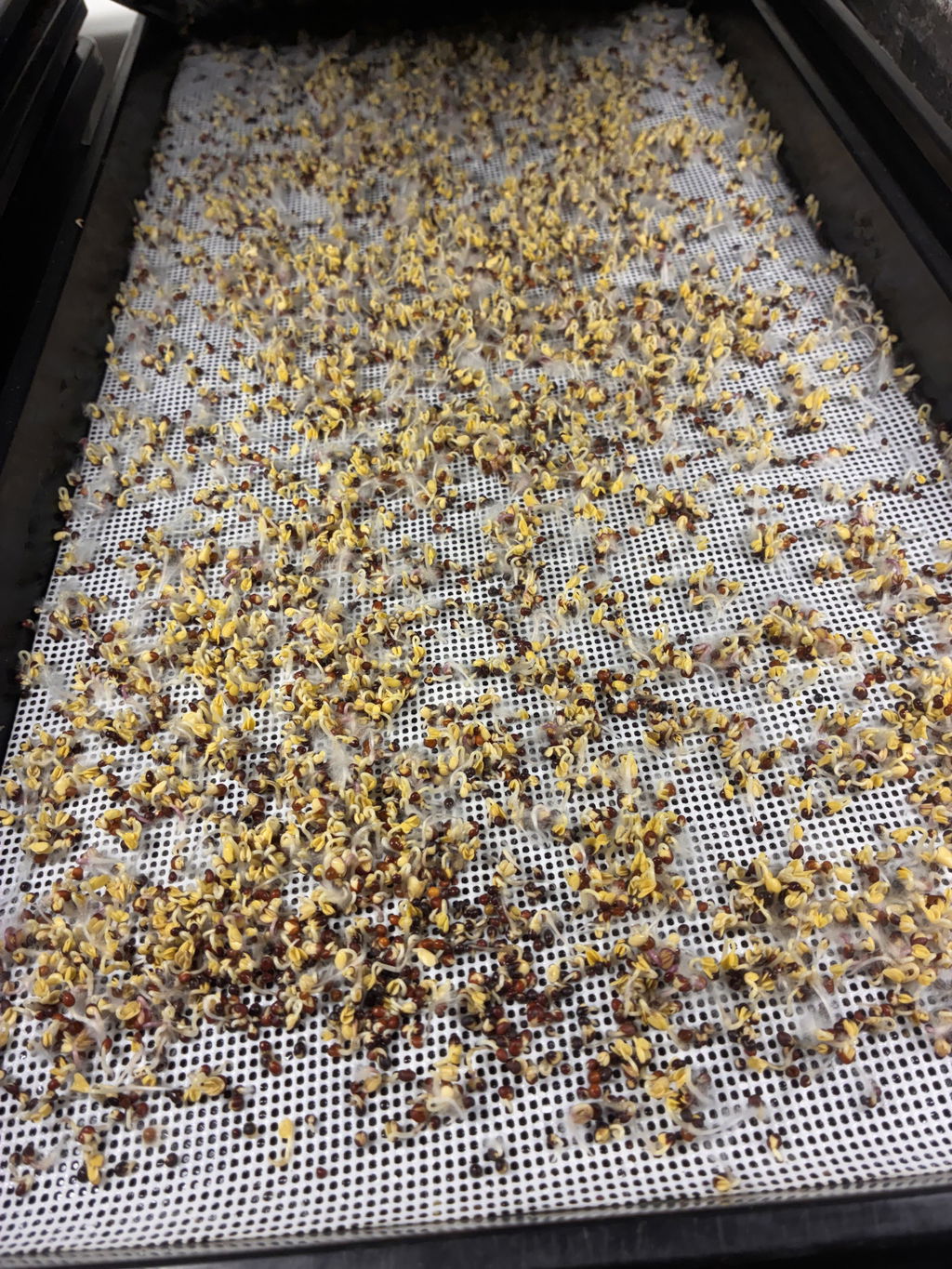
Grow microgreens without soil or coco coir using On The Grow's 10x20 Reusable Silicone Grow Medium. Its flexible surface and 1.2mm holes support a soil-free setup, with each sheet rated for 20–30+ grow cycles with proper care.
After harvest, remove the roots, clean your medium, and prepare for your next grow instead of replacing the medium each time.
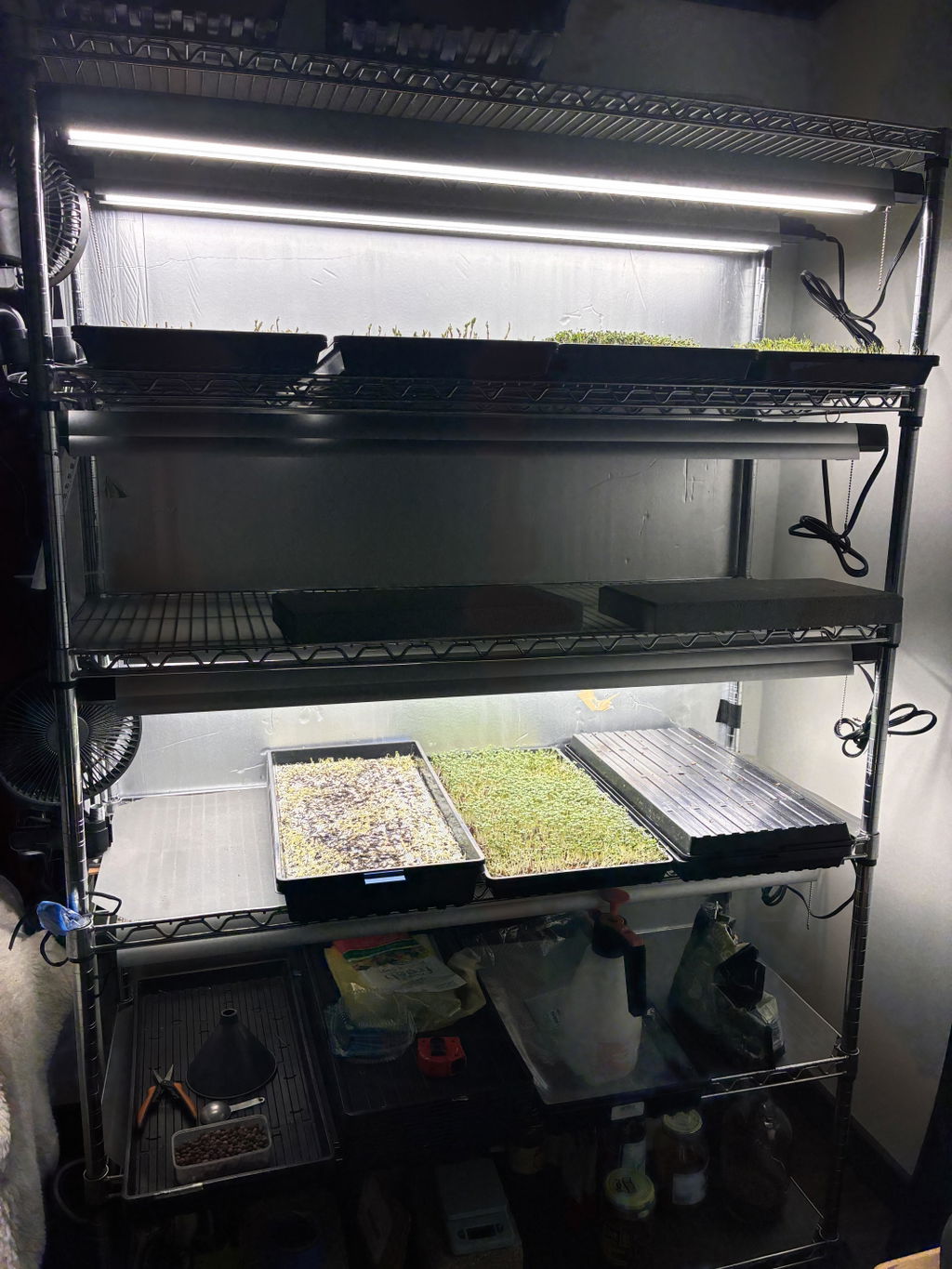
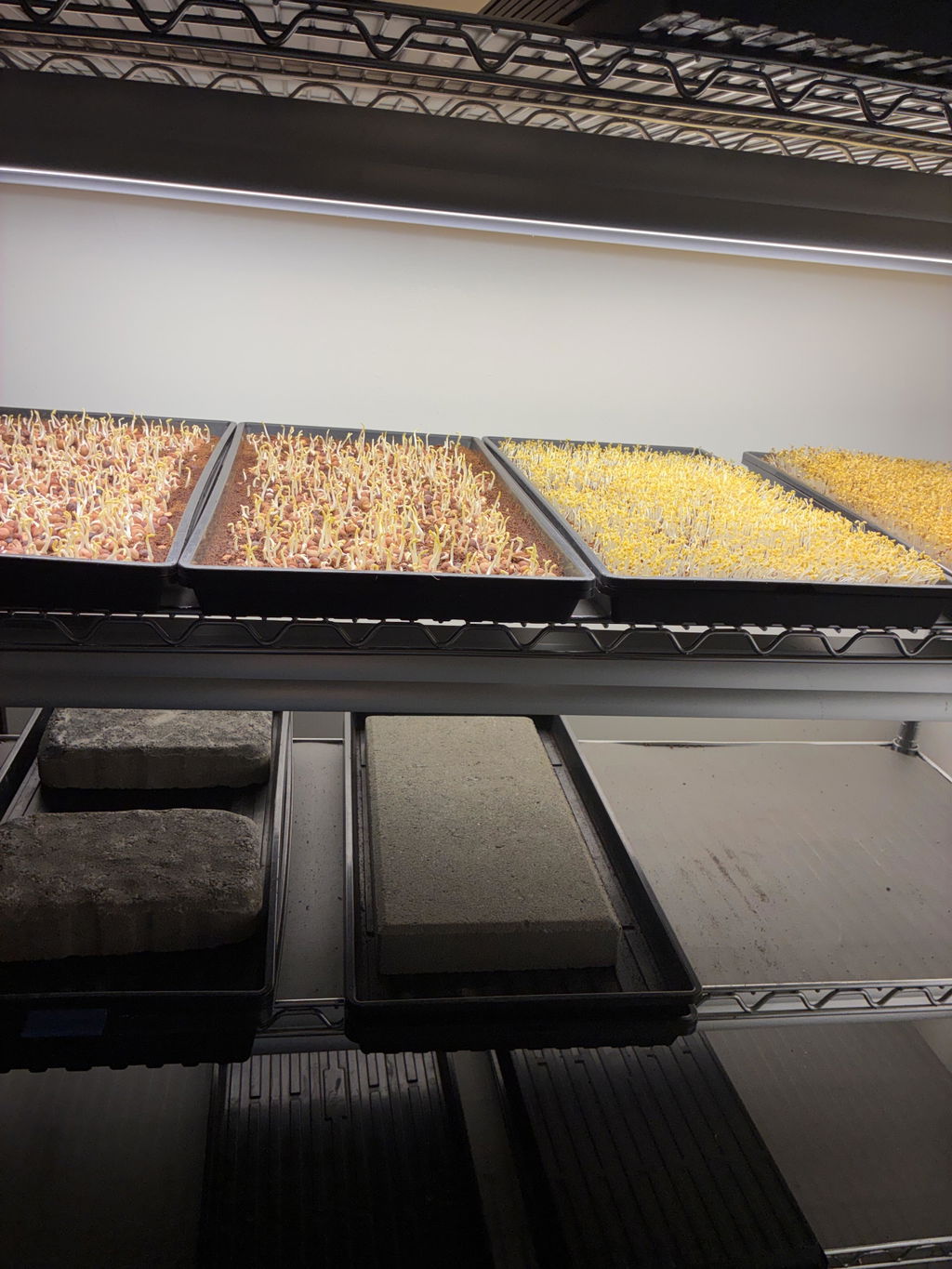
Choose your pack: Available in 2-packs and 10-packs. Each sheet measures 19.65 x 9.5 inches for standard 10x20 microgreen trays. Grow medium only: trays, seeds, and other items shown in photos are not included. Silicone supplies no nutrients, so liquid fertilizer is needed.
Why choose reusable silicone?
- Reuse instead of replacing: Rated for 20–30+ grow cycles per sheet with proper cleaning and storage.
- Less loose-medium mess: A soil-free alternative to soil and coco coir for indoor home or commercial growing.
- Easy to handle: Soft, flexible silicone with no sharp edges.
- Designed for small seeds: A 1.2mm hole pattern for crops such as broccoli, kale, cabbage, arugula, radish, kohlrabi, and mustard.
Size, material & compatibility
- Sheet dimensions: 19.65 x 9.5 inches
- Tray size: standard 10x20 microgreen trays, including Bootstrap Farmer 10x20 trays. Check your tray's internal measurements before ordering.
- Hole size: 1.2mm
- Material: food-grade, platinum-cured silicone with a fiberglass core
- Compliance: 3rd-party tested for FDA compliance; LFGB Tested & Compliant
- Growing method: soil-free / hydroponic, with liquid fertilizer
- Care: hand wash only; not dishwasher safe
- Storage: lay flat to prevent creases
Do not cut to fit. Cutting exposes the fiberglass core at the edge and voids the warranty. Choose the size that matches your tray. Browse 7x14, 10x10, and 10x20 reusable grow mediums.
Which microgreens can I grow?
Compatible varieties: Broccoli, kale, cabbage, arugula, radish, kohlrabi, mustard greens, sunflower, basil, peas, and most brassicas.
Peas need a little consideration: Although peas can grow on this medium, varieties with aggressive roots often do best directly on a mesh tray without a grow medium.
More challenging: Amaranth and very fine seeds may need adjustments to your setup. The existing growing guidance recommends 75°F with a seedling heat mat during amaranth germination.
Not recommended: Swiss chard, beets, and cilantro, which do better in soil or coco coir.
Check the reusable grow medium guide and our seed compatibility guide for more help choosing crops. Start with a 2-pack to test your varieties and growing conditions before committing to larger quantities.
Cleaning & care
- Remove roots after harvest. Use a Microgreen Medium Scraper/Cleaning Tool to remove root residue.
- Hand wash. Use warm water and a free-and-clear dish soap, or another silicone-safe, food-safe soap. Do not put the medium in the dishwasher.
- Sanitize between grows. Carefully pour boiling water over the medium or submerge it for 1–2 minutes. Use caution with hot water.
- Dry and store flat. Allow the medium to air dry fully. Avoid folds and creases.
For stain troubleshooting, long-term care, and replacement guidance, read our complete silicone grow medium guide.
Frequently asked questions
Do I still need fertilizer?
Yes. Silicone is inert and adds no nutrients. Supply liquid fertilizer as you would when growing on coco coir.
How many times can I reuse each sheet?
Each medium is rated for 20–30+ grow cycles with proper care. Commercial use may require more frequent replacement. Inspect before reuse and replace if torn, deeply cut, or significantly worn.
Does staining affect performance?
Some seed varieties cause natural surface staining, which does not affect growing performance.
Should I choose a 2-pack or 10-pack?
Choose a 2-pack to test your setup or start small. Choose a 10-pack when you have established a growing method that works for you and need more sheets in rotation.
1 year warranty
All silicone mesh grow mediums are backed by our 1 year warranty, covering manufacturing defects, material failures, and premature deterioration under normal use.
Looking for stainless steel?
The stainless steel 10x20 grow medium has been discontinued. This listing is for the reusable silicone version.
Growing resources
- How to Grow Microgreens in 10x20 Trays
- How to Clean and Sanitize Microgreen Trays and Reusable Grow Mediums
- Case Study: Coco Coir vs Reusable Grow Medium
- Microgreens and Mold: Prevention, Identification, and Treatment
Have more questions? Visit our Frequently Asked Questions page.
Important product disclaimers
- Please review our Reusable Grow Medium Safety Disclaimer before purchasing.
- Commercial use may require more frequent replacement and quicker deterioration.
- Trays, seeds, and other items shown in photos are NOT included.
- Silicone staining: some seed varieties may cause natural staining on the surface, which doesn't affect performance.
- Fiberglass core: replace your medium if you notice tears, deep cuts, or significant wear that could compromise the fiberglass core. Learn more about replacement timing.
- Variable results: growing success depends on your environment, experience, and methods. Test with small packs before committing to larger quantities.
- Nutritional content disclaimer: this product is an inert growing medium that does not add or remove nutrients from your crops. We make no claims about nutritional content or nutrient density of microgreens grown using it. Nutrient density depends on factors outside our control, such as seed variety, water quality, light, fertilizers, and growing conditions, not the medium itself. We have not conducted laboratory testing and are not nutritionists. For the complete nutritional disclaimer, see our Safety Disclaimer page.