
The Mental Health Benefits of Microgreen Nutrition and Growing Microgreens
In our fast-paced world, maintaining mental health is as crucial as maintaining physical health. We, as small business owners, content creators, entrepreneurs, and individuals navigating the ebbs and flows of life, understand deeply the impact that mental health can have on our day-to-day activities. Seeing that May is Mental Health Awareness Month, a topic of great importance to us, we thought it would be interesting to explore how growing and consuming microgreens could potentially enhance mental wellness. These tiny greens are not just trendy cash crops. They are densely packed with nutrients and offer several potential mental health advantages. This blog post will take a look into how incorporating microgreens into our diets and daily routines could be beneficial, including insights from a recent study by Di Gioia et al.
New to microgreens entirely? Start with our beginner's guide to growing microgreens or grab our Beginner's Guide PDF for the quick-start version.
Quick Answer: How Do Microgreens Support Mental Health?
Microgreens support mental health in two ways: through their nutrient density and through the act of growing them. Eating microgreens delivers concentrated levels of vitamins C, E, and K, beta-carotene, iron, calcium, and antioxidants that support neurotransmitter production, reduce oxidative stress, and protect cognitive function. Growing microgreens at home also provides therapeutic benefits backed by horticultural therapy research, including stress reduction, a sense of accomplishment, and a meaningful connection to nature. Together, the diet and the daily growing ritual create a low-cost, high-impact mental wellness practice.
Microgreens: A Hub of Vital Nutrients
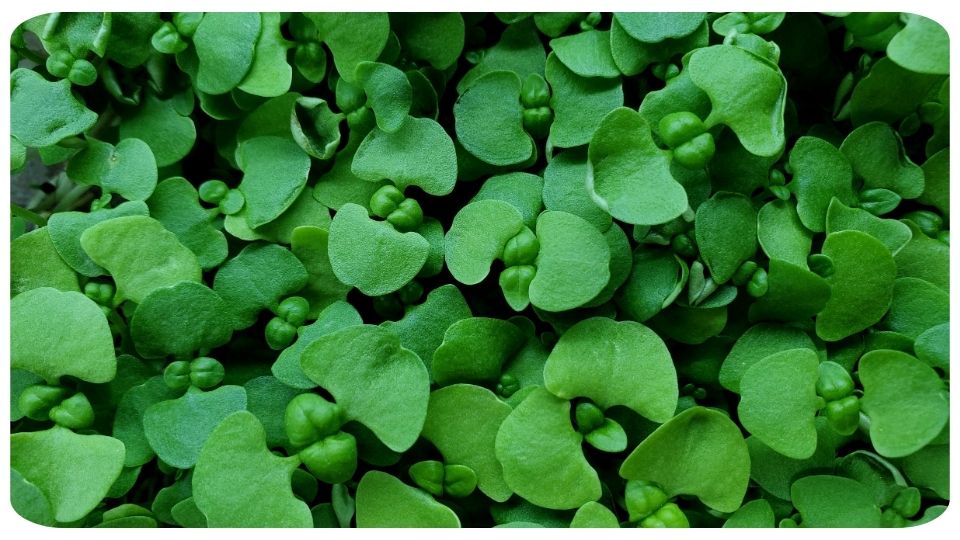
Let's start at the basics. What are microgreens?
Microgreens are young vegetable greens that are approximately 1 to 3 inches tall. They are the intermediate stage between sprouts and a full-grown plant. Despite their small size, microgreens are exceptionally nutrient-dense and often contain higher levels of vitamins, minerals, and antioxidants than their mature counterparts. For a full breakdown of how they differ from sprouts, see our microgreens vs sprouts blog. Here's how these nutrients could support mental health:
- Vitamins such as C, E, and K: Microgreens are rich in these vitamins, which play a crucial role in brain health. Vitamin C helps in the synthesis of neurotransmitters that affect mood regulation, such as serotonin. Vitamin E acts as an antioxidant that protects cells from oxidative stress, a contributor to cognitive decline. Vitamin K is essential for the production of sphingolipids, a class of compounds that form part of brain cell membranes. (University of Maryland, Mighty Microgreens)
- Beta-carotene: Found abundantly in many microgreens, beta-carotene is converted into vitamin A, which is crucial for maintaining healthy vision and neurological function. (Healthline Nutrition)
- Iron: Essential for creating energy from nutrients, iron also helps in the development of brain cells and the production of neurotransmitters. (National Institutes of Health)
Recent Study Insights
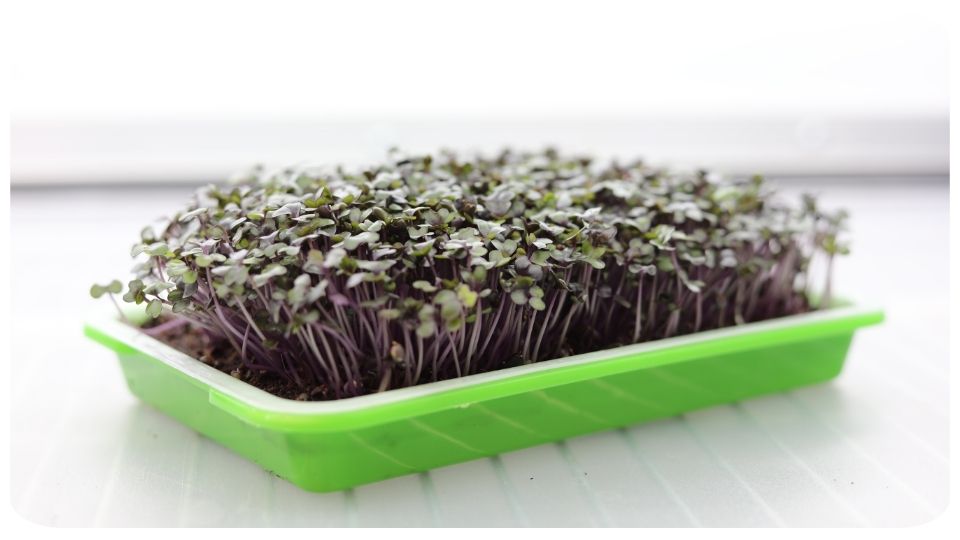
A study conducted by Di Gioia et al. on 17 microgreen species highlights the significant genetic variation in mineral content among microgreens. The research found:
- High Nutrient Content: "Microgreens exhibit high levels of nitrates and are excellent sources of potassium, calcium, and iron, nutrients essential for mental health."
- Specific Benefits by Species: Species like scallion, red cabbage, amaranth, and Genovese basil are particularly noted for their calcium and iron content, which are crucial for cognitive functions and mood regulation.
- Biofortification Potential: The study suggests that microgreens can be biofortified to enhance their nutrient profiles, particularly with zinc, to improve their health benefits.
Mental Health Benefits of Consuming Microgreens
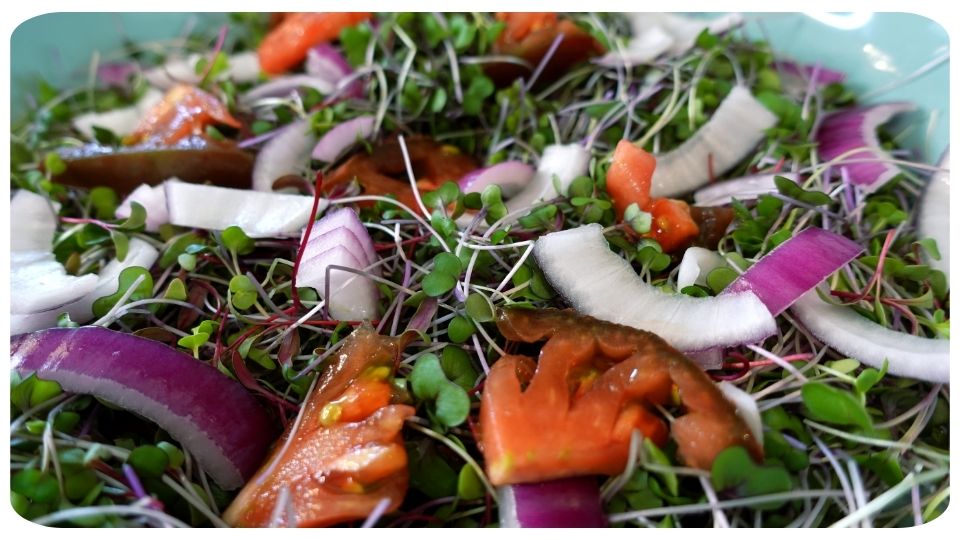
- Mood Enhancement: The rich nutrient profile of microgreens can help in maintaining adequate levels of neurotransmitters associated with mood regulation, such as dopamine and serotonin. This could potentially aid in supporting healthy mood balance.
- Stress Reduction: The antioxidants present in microgreens can reduce oxidative stress, which is linked to mental health concerns including anxiety and low mood. (PubMed)
- Cognitive Function: Regular consumption of nutrient-dense foods like microgreens may contribute to enhanced cognitive functions, including improved memory and sharper attention.
Mental Health Benefits of Growing Microgreens
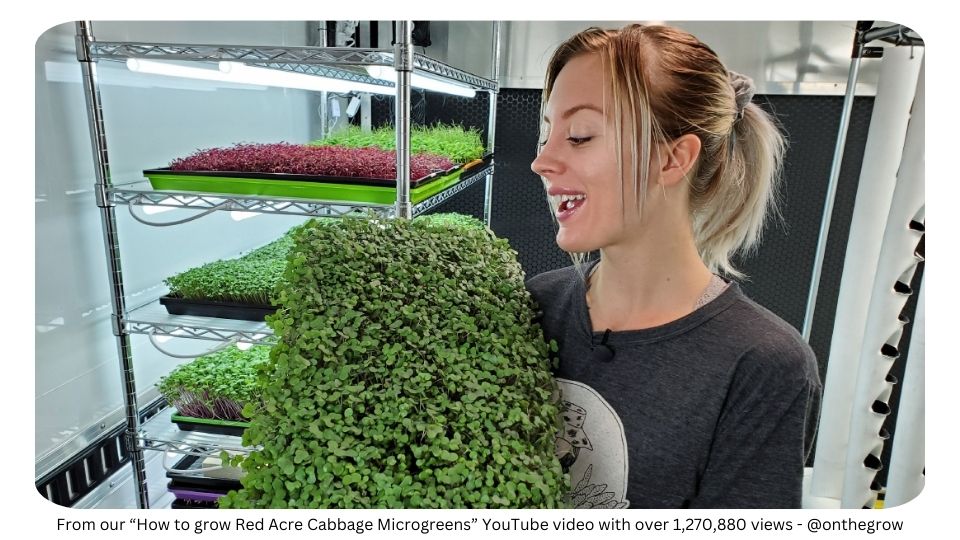
- Therapeutic Activity: Engaging in gardening activities like growing microgreens can reduce stress, anxiety, and low mood. The process of nurturing plants and watching them grow can provide a sense of calm and accomplishment. (American Horticultural Therapy Association)
- Sense of Achievement: Harvesting your own microgreens can boost self-esteem and confidence. Completing the cycle from seed to plate provides a unique sense of accomplishment and can improve one's mood and emotional well-being.
- Connection to Nature: Regular interaction with plants, even small indoor gardens of microgreens, can have a meaningful impact on mental health by reducing stress and improving mood. (Mind, the mental health charity)
If you're new to growing, the easiest way to get started is with a small countertop setup. Our 7x14 OTG Microgreen Tray Kit is sized for small spaces and includes everything you need, or for a no-mess option, check out our reusable silicone grow medium. Both work great for a therapeutic daily growing ritual.
Frequently Asked Questions
Can microgreens really help with mental health?
Microgreens support mental health in two complementary ways: as a nutrient-dense food and as a therapeutic activity. Their concentrated vitamins (C, E, K), minerals (iron, calcium, potassium), and antioxidants support brain chemistry and reduce oxidative stress. Growing them also provides documented benefits through horticultural therapy, including stress reduction and a sense of accomplishment. Microgreens are not a substitute for professional mental health care, but they can be a meaningful part of a broader wellness routine.
Which microgreens are best for brain health?
Based on the Di Gioia et al. study, scallion, red cabbage, amaranth, and Genovese basil are particularly high in calcium and iron, both important for cognitive function and mood regulation. Broccoli microgreens are also excellent for their vitamins C and K plus glucosinolates. The best approach is variety: rotate through several types to get a broad nutrient profile.
How much microgreens should I eat for mental health benefits?
There is no official daily recommendation specific to mental health, but most people add a small handful (about 1/4 to 1/2 cup) to one or two meals per day. Because microgreens are so nutrient-dense, even small amounts deliver meaningful nutritional value. Treat them as a regular addition to a balanced diet, not a replacement for full vegetables.
Is gardening actually proven to improve mental health?
Yes. Horticultural therapy is a recognized therapeutic practice, and organizations like the American Horticultural Therapy Association and Mind (UK mental health charity) cite research showing that interaction with plants reduces stress, lowers cortisol, and improves mood. Growing microgreens is one of the most accessible forms of indoor gardening, since it requires very little space, time, or experience.
What's the easiest microgreen to grow for someone just starting out?
Broccoli and radish are the most beginner-friendly. Both germinate quickly, are forgiving of small mistakes, finish in 7 to 10 days, and have mild to peppery flavors most people enjoy. Start with our how to grow broccoli microgreens guide for a full walk-through.
Can growing microgreens really be a stress-relieving routine?
Yes. The act of misting seeds twice a day, watching trays germinate, and harvesting a fresh, vibrant crop within 7 to 14 days creates a short, rewarding cycle that feels meaningful without feeling demanding. Many of our customers tell us their daily check-in with their trays has become one of the most calming parts of their morning.
Conclusion
Incorporating microgreens into our diets and engaging in their cultivation offers a holistic approach to supporting mental health. These small greens are not just beneficial as a dietary addition. They represent a key component of a broader mental wellness routine. As we observe Mental Health Awareness Month, let's consider the potential of these tiny greens in supporting our mental health.
If you or someone you know is struggling with mental health, please reach out to a qualified professional. In the US, you can call or text 988 to reach the Suicide and Crisis Lifeline, available 24/7. Microgreens are a wonderful complement to professional care, never a replacement for it.
Disclaimer
The information provided here is based on general knowledge and widely accepted scientific research regarding microgreens. The information provided in this blog is for educational and informational purposes only and is not intended as health, medical, or business advice. While we strive to provide accurate and up-to-date information, the content may not reflect the most current research or medical developments. The information on this blog should not be used as a substitute for professional advice from a qualified healthcare provider, mental health professional, or business consultant. We encourage all readers to consult appropriate professionals before making any health or business decisions. We do not accept any responsibility for any decisions made based on the information provided on this blog.
Related Blogs You Might Enjoy
- How to Grow Your Own Food Indoors: The Best Way to Learn Microgreens
- Why Are Microgreens So Good for You? The Nutrition Explained
- Disadvantages of Microgreens: An Honest Look at the Downsides
- How to Grow Broccoli Microgreens
- How to Start Growing Microgreens: Beginner's Guide
- Microgreens vs Sprouts: Key Differences
- How to Grow Microgreens in 10x20 Trays
- Meet Our Reusable Silicone Grow Medium
- The Many Ways You Can Use Microgreens
- Seed to Plate: Adding Microgreens to Daily Diet
- Top Microgreen Growing Mistakes to Avoid
Updated: May 2026
All content is property of On The Grow®, LLC